Gili Paddle Board Review: Stability, Capacity and Value Explained
A close look at Gili Sports’ inflatable boards, what the Meno series does well, where it asks you to compromise, and who should actually buy one.
Shopping for an inflatable paddle board usually comes down to one awkward question: do you pay for a board that feels planted and carries a lot, or do you save money and accept a lighter, twitchier ride? Gili Sports has built its reputation on the first answer. Its boards are wide, thick and rated for serious loads, and they arrive with nearly everything you need to launch the same day.
This Gili paddle board review breaks the brand down in plain language. We look at the sizes, the construction, the way the boards behave with different riders and cargo, the included kit, and the trade-offs that don’t always make it into a product listing. If you’re also still deciding between brands, our roundup of the best inflatable paddle boards is a good companion read.

1. Gili Sports at a Glance
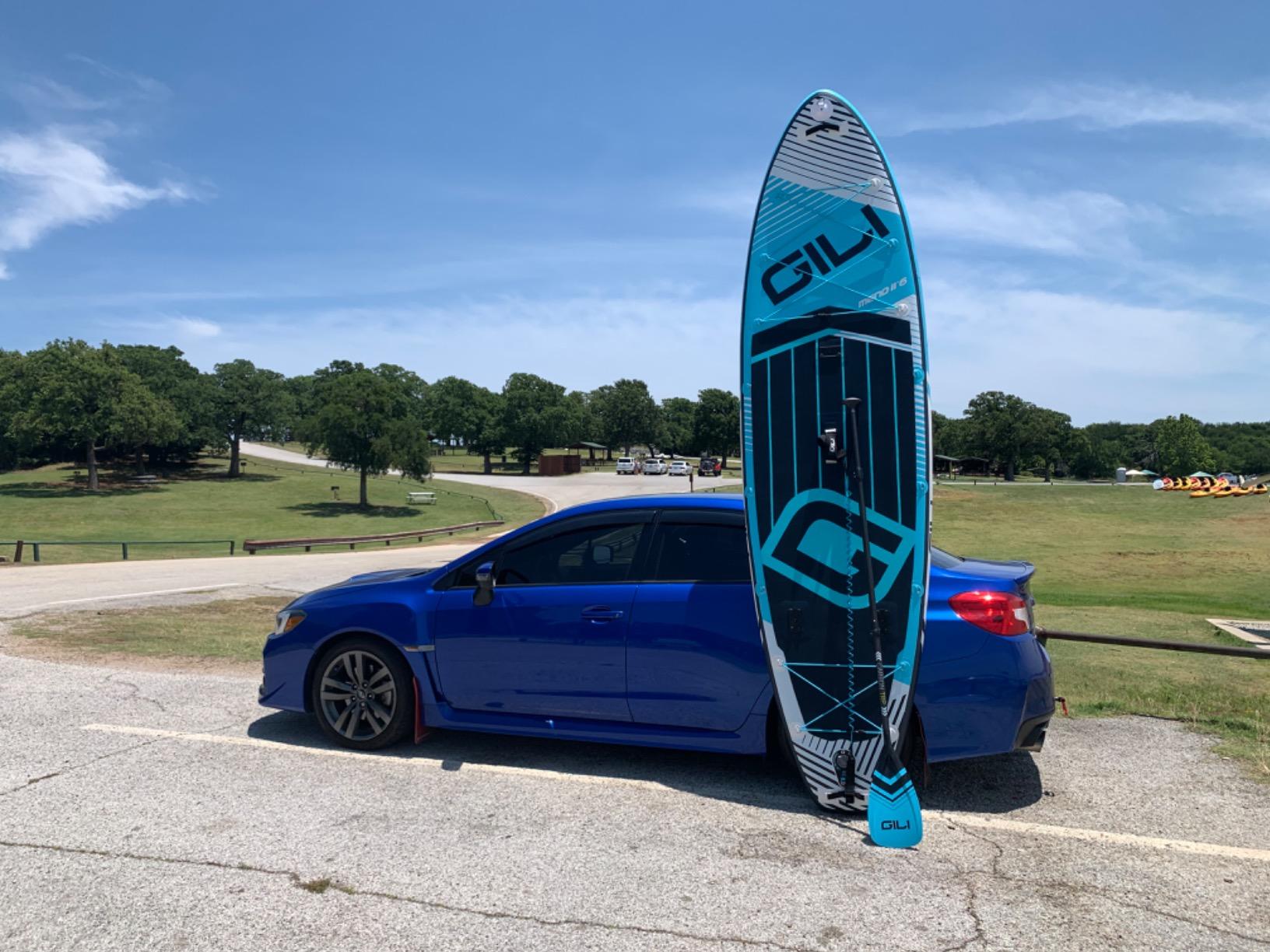
Gili Sports is a stand-up paddle board brand focused heavily on inflatables. The company’s flagship family is the Meno series, which is positioned as its performance line, and it’s the one most shoppers mean when they search for a Gili paddle board. The pitch is simple: a board that’s stable enough for beginners, roomy enough for gear or a passenger, and tough enough that you don’t have to baby it.
That positioning matters because the inflatable market splits into a few camps. Some brands chase low weight and sleek lines for fitness paddlers. Others chase rock-bottom prices for casual weekend use. Gili sits closer to the “workhorse” camp. The boards are broad, the weight ratings are generous, and the whole package leans toward confidence rather than speed.
If you’re new to the sport and want to understand the categories before committing, our guide to paddle board types explains how all-around, touring and surf shapes differ, and why width and thickness change everything about how a board feels underfoot.
What the brand does well
- Wide, stable platforms that forgive beginner mistakes
- Very high published weight capacities for the size
- Complete kits that include a pump, leash, fins and a wheeled bag
- Multiple attachment points for seats, straps and gear
What to keep in mind
- The boards sit at the premium end of the inflatable price range
- They’re slightly heavier than ultralight competitors
- Width trades away some glide and straight-line speed
Where Gili fits in the wider SUP world
Stand-up paddle boarding has grown from a niche surf offshoot into a mainstream pastime, and inflatables have driven most of that growth. They’re easier to store, safer to fall on, and far simpler to transport than rigid boards. That’s exactly the audience Gili is courting: people who want to paddle without owning a roof rack, a garage or a truck. If you’d like a broader introduction to the sport itself, our paddle board guide is the best place to begin.
It also helps to know what you’re buying into. An all-around inflatable like the Meno is a generalist. It will not out-sprint a race board or out-carve a surf SUP, but it will do a respectable job at almost everything else. For most recreational paddlers, that flexibility is the whole point.
2. The Meno Lineup and Sizes
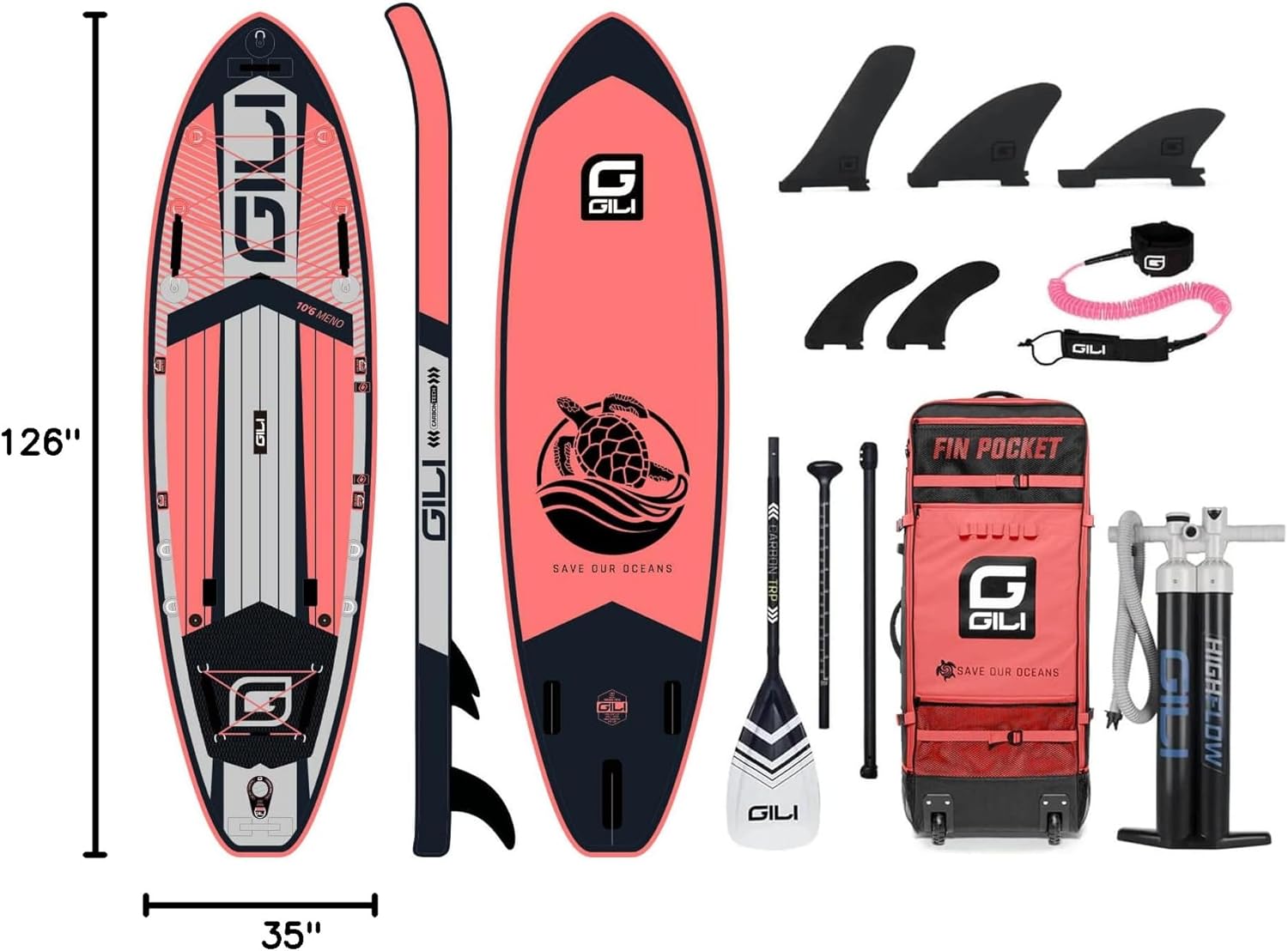
The Meno series is offered in several lengths, and choosing between them is the most important decision you’ll make. Published specs show a consistent design philosophy across the range: thick construction, a wide outline and a high weight rating, with the length changing how the board tracks and how much room you have.
| Model | Length | Width | Thickness | Max Capacity |
|---|---|---|---|---|
| Meno 10’6” | 10’6” | 35” | 6” | 450 lb |
| Meno 11’6” | 11’6” | 35” | 6” | 485 lb |
| Meno Touring 12’6” | 12’6” | 31” | 6” | 300 lb |
These figures come from published reviews and listings, so always confirm the exact numbers on the product page you’re buying from, because manufacturers revise specs from time to time.
The 10’6” Meno
The shortest option is the easiest to store, carry and turn. At 35 inches wide it still feels very stable, and the extra beam gives it a much higher weight rating than a traditional board of the same length. It suits smaller riders, casual lake paddlers and anyone short on storage space.
The 11’6” Meno
This is the “kitchen-sink” version. The additional length adds glide and room to move, while the same wide outline and thick body keep it steady under load. It’s the size most people picture when they think of a Gili board, and it’s the one best suited to fishing, overnighters, dogs, kids and taller riders.
The 12’6” Meno Touring
The touring model trims the width to 31 inches in exchange for better tracking and speed over distance. It’s still stable by touring standards, but it’s the least forgiving of the three for complete beginners, and its lower weight rating reflects the narrower profile.
Matching a size to your body and plans
Rider height and weight, storage space, and the type of water you’ll paddle all feed into the right choice. Lighter and shorter riders often prefer the 10’6” because it’s easier to maneuver and requires less effort to turn. Taller or heavier riders usually appreciate the extra length of the 11’6”, which spreads weight over more surface area and keeps the nose from dipping.
Consider, too, how you’ll use the board over the next few seasons. Many people buy for the paddler they are today and outgrow the board in a year. If you can see yourself adding a seat, a child or a cooler, the larger platform leaves you room to grow without buying twice.
Fin setups and what they change
The fin configuration influences how the board tracks and turns. A larger center fin gives you directional stability for cruising, while smaller side fins add control in chop. Because several fins are included in the kit, you can experiment and find the setup that suits your style without spending anything extra.

3. Specs That Actually Matter
Spec sheets can be overwhelming, so here’s how to read the numbers that genuinely change your experience on the water. We’ll use the 11’6” Meno as the reference point because it’s the most popular size.
| Spec | 11’6” Meno | Why it matters |
|---|---|---|
| Length | 11’6” | Longer boards track straighter and glide farther |
| Width | 35” | Wider means more stability and more standing room |
| Thickness | 6” | Thick boards stiffen up and float riders higher |
| Max capacity | 485 lb | Total load: rider, gear, pets, passengers |
| Board weight | About 24 lb | Affects carrying and travel convenience |
| Max pressure | 18 psi | Higher pressure equals a stiffer board |
| Warranty | 2 years | Shorter than some rivals, but standard for the category |
Width: the stability number
Width is the number most beginners should look at first. A 35-inch board is noticeably broader than the 30 to 32 inch outlines common on touring and fitness models. That extra beam makes it much harder to tip when you shift your weight, step on and off, or catch a wave from a passing boat.
Thickness: the stiffness number
Six inches is the standard thickness for quality inflatables, and it matters more than you might expect. Thin inflatables can sag in the middle when loaded, which creates a bowed shape that drags and feels wobbly. A thick, fully inflated board stays flatter and feels more like a hard board.
Capacity: the headroom number
Weight rating isn’t a pass/fail line. A board near its limit sits low in the water and paddles sluggishly. If you weigh 200 pounds and bring 40 pounds of gear, a 485 pound rating gives you huge headroom, and the board stays lively. If you’re curious about how ratings work in practice, our explainer on how much weight a paddle board can hold covers the details.
Volume and displacement in plain English
Volume describes how much water a board displaces, and it’s a useful shorthand for how much a board can carry while staying afloat. Thick, wide boards have more volume, which is why a Meno floats a heavier rider higher than a slim board of the same length. Higher float means less drag and a more lively feel, which matters more than many beginners realize.
Reading marketing claims with care
Every manufacturer rounds numbers in its own favor, and weight ratings are no exception. Treat the published capacity as a ceiling, not a target. For the best performance, aim to keep your total load comfortably below it. Also remember that the weight listed for the board alone is separate from the weight of the full kit, which includes the paddle, pump and bag, and can be a fair bit heavier on a shoulder strap.
4. Stability and Weight Capacity
Stability is where Gili earns most of its praise. A board can only be as stable as its shape allows, and the Meno’s combination of a wide outline, a thick body and high inflation pressure gives it a planted feel that’s especially reassuring for newer paddlers.
Why wide boards feel steady
Think of a board as a platform floating on water. The wider the platform, the more it resists rolling side to side. Wide boards also give your feet more room to find a comfortable stance, which reduces the tense, bracing posture that makes beginners tire quickly. If you’re new, our guide on how to paddle board pairs well with a wide platform like this.
Handling real-world loads
The stability story gets more interesting when you add weight. A good inflatable should not buckle or “taco” as you load it. The Meno’s thick construction and high pressure rating help it keep a flat, rigid profile even with heavier riders or added cargo, which is why anglers, families and bigger paddlers keep gravitating to it.
- Heavier riders: The high weight rating leaves a comfortable buffer, so the board doesn’t feel overloaded.
- Riding with a dog or child: The wide deck gives everyone space and keeps the board steady when passengers move.
- Fishing and gear: D-rings let you attach seats, crates and straps without sacrificing standing room.
- Yoga and fitness: The broad deck makes floor-based poses far more realistic than on a narrow board.
Is it good for beginners?
Yes, with a small caveat. The stability is excellent, but the board is large, so you’ll want to take a moment to learn how to carry, inflate and launch it. If you’re still weighing the idea, read our breakdown of whether inflatable paddle boards are good for beginners, and our look at how hard paddle boarding really is.
Standing, kneeling and sitting
A stable board opens up more than one way to paddle. Beginners often start on their knees, which lowers the center of gravity and builds confidence, then progress to standing as their balance improves. Wide boards like the Meno make that progression comfortable, because you’re never fighting the board while you learn. Sitting is just as easy, especially with a kayak seat clipped to the d-rings.
Getting on and off safely
Many falls happen at the beginning and the end of a session. Launch in calm, shallow water, kneel on the board near the center, and stand up one foot at a time. A wide deck makes this routine far less nerve-wracking. When you’re done, step off in the shallows rather than trying to balance while the board bumps the shore.
Stability with kids and pets
Families often ask whether a board can handle a restless passenger. A wide, thick board is the best answer inflatables offer. Pets tend to shift suddenly, and children rarely sit perfectly still, so having a deck that doesn’t tilt at every movement makes outings calmer for everyone. Keep the combined weight well under the limit, seat smaller passengers near the center, and always put life jackets on children and pets that are comfortable wearing them.
5. Construction and Durability
Inflatable boards live or die by how they’re built. A Gili board uses dual-layer fusion PVC, a construction method that bonds layers of material together rather than relying solely on glued seams. The result is a lighter, stiffer shell that resists punctures, abrasions and the everyday knocks that come from being dragged over a dock or tossed in a car.
Fusion construction explained
In traditional construction, an outer PVC layer is glued to a drop-stitch core, and the seams are reinforced with tape. Fusion construction instead laminates the layers together under heat and pressure, which cuts weight and removes some of the glue that can add bulk. If you’d like to understand how these boards come together in more detail, we explain the process in how paddle boards are made.
Pressure and stiffness
The 11’6” Meno is rated up to 18 psi. Running a board near its recommended pressure is the single best thing you can do for performance. A soft board flexes, drags and feels unstable. A properly inflated board feels almost like a hard shell, which is why a reliable pump matters so much (more on that in the accessories section).
How long will it last?
A quality inflatable can last for many seasons when it’s cared for properly. UV exposure, heat, over-inflation in hot cars and rough storage are what shorten a board’s life, not normal paddling. Our guide on how long inflatable paddle boards last goes through what to expect and how to extend that lifespan.
Warranty
Published specs list a two-year warranty on the Meno, which is shorter than the warranties offered by a few competitors. It’s standard for the category, but if long coverage is a top priority, compare terms before you buy.
What wears a board out
The enemies of an inflatable are predictable: sharp rocks, rough concrete, thorns, and heat. Dragging the board over a gravel ramp can scuff or even puncture the outer layer, so always lift rather than drag. Prolonged sun exposure can also weaken adhesives and fade the graphics, which is why shade and a protective bag matter when you’re off the water.
Valves deserve a little attention too. Keep them clean and free of sand, close them firmly after inflating, and avoid forcing them. A tiny bit of grit in a valve is one of the most common causes of slow leaks that owners mistake for a damaged board.
6. On-Water Performance
Performance is where the trade-offs of a wide, thick board show up. The Meno is built to be steady first and fast second, and understanding that priority helps you decide whether it’s the right board for you.
Glide and tracking
A 35-inch outline pushes more water than a slimmer shape, so you’ll feel a bit more resistance at higher speeds. The upside is a calm, predictable ride. Longer versions track straighter, and the fin setup helps keep the board pointed where you aim it. The 11’6” model carries a 2+1 fin configuration, which gives you the option to run a more directional setup for cruising.
Maneuverability
The shorter 10’6” Meno is nimble for its width, and the 11’6” is surprisingly easy to turn once you learn to step back and pivot. Touring models trade some turning ease for better straight-line efficiency.
Rough water and wind
A thick, stiff board handles light chop well. Wind is a different story: a high-volume board catches breeze, and you’ll feel it on exposed lakes. Plan your outings around calm mornings when possible, and check our guide to the best time to paddle board for help picking conditions.
The workout factor
Stability doesn’t mean easy. Paddling a wide board still engages your core, legs and shoulders, and you can raise the challenge by paddling faster or longer. If fitness is your goal, see whether paddle boarding is good exercise and how many calories paddle boarding burns.
Performance strengths
- Very stable underfoot
- Rigid when properly inflated
- Handles extra weight without folding
- Comfortable for long, relaxed outings
Performance limits
- Slower than narrow touring boards
- Catches wind on open water
- Needs a good pump to reach full pressure
- Not built for racing
Paddling technique on a wide board
A wide board changes your stance and stroke slightly. Keep your feet roughly hip-width apart, about parallel, and centered around the carry handle. Bend your knees, rotate from your torso, and reach forward with the blade rather than pulling only with your arms. On a board this stable you’ll have the freedom to focus on technique instead of simply staying upright. For a full walkthrough, see our guide to paddle board basics.
Real-world conditions
On calm lakes, slow rivers and protected bays, the Meno feels right at home. Add boat wakes or a stiff breeze and you’ll be glad for the extra width. Open ocean or strong current is a different matter, and no all-around inflatable is a good fit there without experience, a leash and proper safety gear.
Comfort over a long session
Comfort is easy to overlook when you’re reading specs, but it determines whether you paddle for twenty minutes or two hours. A textured deck pad gives your feet grip and cushioning, and a wide stance spreads the load on your legs and lower back. Many owners report that a steady board lets them relax their grip on the paddle, which reduces fatigue in the forearms and shoulders over a long outing.
Take breaks, drink water and bring sun protection. Even a gentle paddle can be surprisingly tiring in warm weather, and the broad deck of a Meno makes it easy to sit down, stretch out and enjoy the scenery between efforts.
7. What’s in the Kit
One of the biggest selling points of a Gili board is that the box includes nearly everything you need. For beginners, that removes the guesswork and the hidden cost of buying accessories separately.
| Kit item | What to expect |
|---|---|
| Inflatable board | Dual-layer fusion PVC with d-rings and velcro paddle holders |
| Paddle | Three-piece adjustable paddle, typically carbon fiber and nylon on the Meno models |
| Pump | Manual pump to reach the rated pressure |
| Leash | Ankle leash to keep you connected to the board |
| Fins | Multiple fins for different setups |
| Repair kit | Patches and adhesive for small punctures |
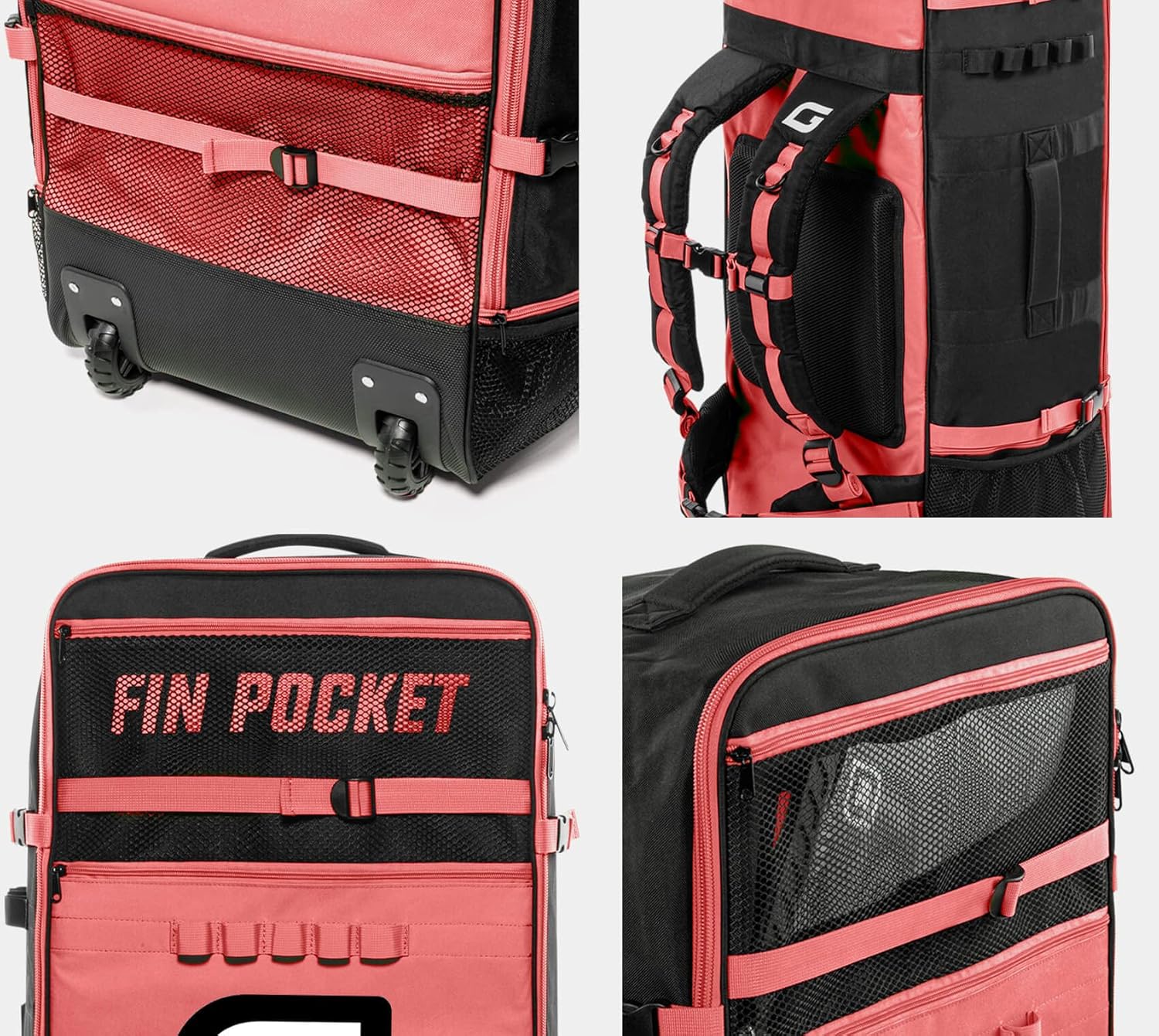
| Carry bag | Wheeled bag or backpack-style bag for transport |
The paddle conversation
Reviewers consistently point to the included paddle as the weakest link in an otherwise strong package. The carbon fiber and nylon construction keeps weight down, but the blade is large and can feel unbalanced to some paddlers, especially if you have a smaller frame or paddle for long stretches. It’s perfectly usable, and many owners never replace it. Still, if you paddle often, upgrading is the most noticeable improvement you can make. Our rundown of the best paddle board paddles covers great options, and it’s worth knowing whether paddle board paddles float before you head out.
The pump and bag
The included manual pump gets the job done, though it’s a workout at 18 psi. The bag is designed to be practical: it holds the whole kit, and wheels or backpack straps make the walk to the water easier. Many buyers love the convenience, though a few wish for extra padding if they travel frequently.
Is the bundle actually good value?
Buying the pieces separately is where costs creep up. A quality paddle, a pump with a gauge, a leash, fins and a bag can easily add a significant amount to the price of a bare board. Gili’s complete kit means your starting budget is closer to your final budget, which many first-time buyers appreciate. Even if you later swap the paddle or pump for upgrades, the bundled versions work as perfectly good backups.
8. Gear Worth Adding
Even with a generous kit, a few extras make life on the water safer and more comfortable. None of these are required to enjoy your Gili board, but they’re the upgrades most owners end up buying.
A better pump
Reaching 18 psi by hand takes effort. An electric pump saves energy and gives you consistent pressure, which matters because an under-inflated board performs poorly. Browse our list of the best paddle board pumps for reliable choices.
A life jacket
Safety gear is the one accessory we’d call essential. A well-fitting personal flotation device is comfortable enough to wear all day, and in many places it’s legally required. See our picks for the best paddle board life jackets and read up on paddle board safety requirements before your first outing.
A premium paddle
As mentioned above, a lighter, better-balanced paddle is the upgrade you’ll feel on every stroke.
Extra bags and racks
If you plan to travel with your board, a heavier-duty carry bag or a dry bag for your gear helps. Our guide to the best paddle board bags is a good starting point. If you’d rather keep the board inflated and carry it on your car, check our recommendations for the best paddle board roof racks.
A kayak seat
The d-rings on the Meno are compatible with kayak seats, which turns the board into a comfortable fishing or sightseeing platform. It’s a smart addition for older paddlers or anyone who wants to alternate between sitting and standing.
What to skip
It’s easy to overspend on accessories. Unless you have a specific plan, you can skip fancy deck pads, extra fins and specialty mounts until you know what you actually use. Start with safety gear, then upgrade the items that annoy you most after a few outings.
9. Who the Gili Paddle Board Is Best For
No board is perfect for everyone. Here’s a clear look at who benefits most from a Gili, and who might be happier elsewhere.
Great fit
- Beginners who want stability: The wide deck is forgiving and confidence-building.
- Heavier paddlers: The weight ratings leave a comfortable buffer, so the board stays buoyant and rigid.
- Anglers: Plenty of deck space and attachment points suit rods, crates and seats.
- Families: Room for a child or dog without feeling cramped.
- Yogis: A broad, stable platform makes floor poses realistic.
- Overnight or gear-heavy paddlers: High capacity means you can carry more.
Possibly not ideal
- Racers and speed seekers: A narrow touring or racing shape will be faster.
- Travelers watching every pound: At roughly 24 pounds, it’s not the lightest option.
- Strict budget shoppers: Gili sits at the premium end, and cheaper boards can cover casual use.
- Small riders who want extra nimble boards: A narrower, shorter board may feel more responsive.
Pros
- Excellent stability
- Very high weight capacity
- Thick, rigid construction
- Complete kit included
- Plenty of attachment points
- Several sizes to choose from
Cons
- Premium pricing
- Included paddle can feel large and unbalanced
- Slower than narrow boards
- Two-year warranty is modest
- Manual pump takes effort
A few real-world scenarios
The weekend lake paddler: You head out a couple of times a month, want to relax, and prefer not to worry about falling in. The Meno’s stable deck suits you perfectly.
The angler: You want to stand, sit and cast, with a crate of tackle strapped down. The high capacity and attachment points are exactly what you’re after.
The family with a dog: You need room for a child or a four-legged passenger who may shuffle around. The wide platform makes that far less stressful.
The fitness paddler: You want long, fast sessions and measure your outings in miles. A narrower touring shape will serve you better, and the Meno Touring is the one Gili model worth considering.
10. How Gili Compares to Other Inflatable Boards
Context is everything when you’re spending real money. Published data comparing the 11’6” Meno to other popular inflatables shows a consistent pattern: Gili leads on capacity and thickness, while several rivals win on weight, price or warranty length.
| Board | Width | Max Capacity | Board Weight |
|---|---|---|---|
| Gili Meno 11’6” | 35” | 485 lb | 24 lb |
| iRocker All-Around 11’ | 32” | 400 lb | 26 lb |
| Isle Pioneer 3 10’6” | 34” | 285 lb | 19.6 lb |
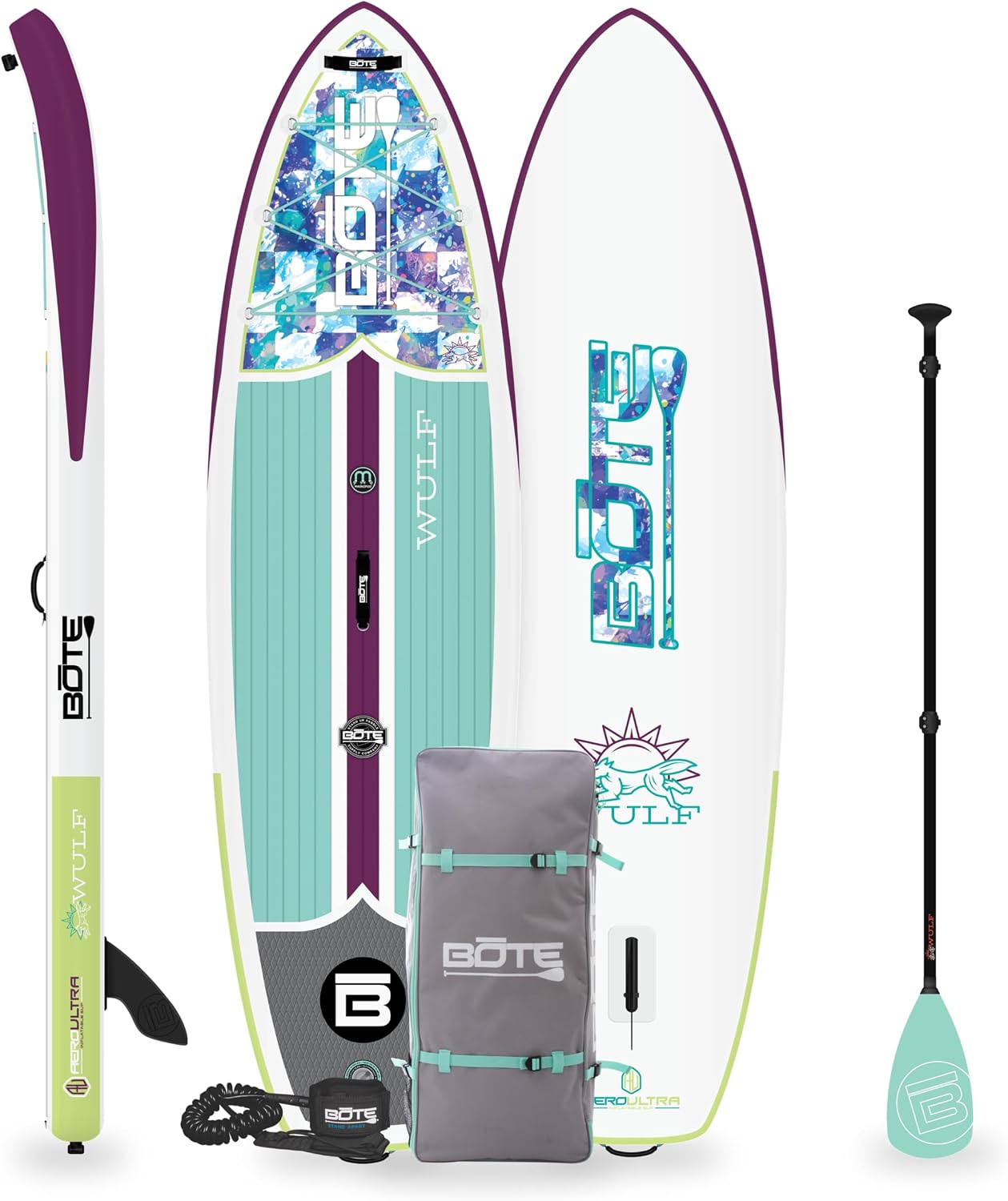
| Bote Wulf Aero | 34” | 250 lb | 20 lb |
| NRS Jukdo 108 | 34” | 250 lb | 24 lb |
| Badfish Monarch | 34” | 230 lb | 18 lb |
The pattern is clear. If you need to carry a lot, Gili’s capacity numbers stand well apart. If you want the lightest possible board, a few competitors are meaningfully lighter. If price is your priority, several rivals come in cheaper.
Gili vs iRocker
iRocker is probably the closest direct competitor, with an all-around shape and a similar kit philosophy. The iRocker is narrower and a touch heavier, while the Gili offers more width and more capacity. Read our iRocker paddle board review to see how the two stack up.
Gili vs Bote
Bote boards are popular for their styling and lighter weight. They’re often cheaper and lighter than a Gili, though with lower weight ratings. Our Bote inflatable paddle board review explains where Bote shines.
Gili vs Isle
Isle offers a lighter, more affordable option with longer warranty coverage, but with a much lower weight rating. See our Isle paddle board review for a closer look.
Inflatable vs solid boards
If you’re still deciding between formats, our article on the differences between a SUP board and a paddle board clears up the terminology, and it’s worth remembering that inflatables trade a little performance for huge convenience in storage and transport.
Weight versus capacity: the real trade-off
Looking at the comparison table, the main lesson is that boards that are lighter tend to carry less, and boards that carry more tend to weigh a little more. Gili has chosen to prioritize capacity and stiffness. If you’re a lighter paddler who won’t come close to the weight limit, you may be paying for capacity you don’t need, and a lighter board could be a better fit. If you’re on the heavier side, the extra margin is a feature rather than a luxury.
Price and warranty
Gili sits toward the top of the price spectrum among the boards we compared, and its two-year warranty is shorter than what some competitors offer. That doesn’t make it a poor choice, but it’s a fair question to ask whether the benefits match your needs. Always check current pricing, because listings change frequently.
11. Care, Storage and Transport
A little routine care keeps an inflatable board performing for years. The good news is that none of it is complicated.
Before you paddle
- Inflate to the recommended pressure, checking the gauge rather than guessing
- Attach the fins securely and check the leash
- Avoid leaving a fully inflated board in direct sun or a hot car, since heat raises internal pressure
After you paddle
- Rinse the board, especially after salt water or sandy beaches
- Dry it completely before rolling it up, because trapped moisture leads to mildew
- Roll it loosely rather than folding it sharply along the same lines each time
Storing your board
Store the board in a cool, dry place out of direct sunlight. Some owners keep it partially inflated on a wall rack, while others roll it into the bag. Our collection of inflatable paddle board storage ideas has options for apartments, garages and small spaces.
Getting it to the water
One of the biggest perks of an inflatable is that it fits in the trunk of most cars once rolled up. For longer trips or for traveling with a fully inflated board, check our guide to how to transport a paddle board.
Seasonal and long-term storage
If you won’t paddle for several months, clean and dry the board thoroughly, loosely roll it, and keep it somewhere cool and shaded. Avoid storing heavy items on top of it. Over a long winter, a board that’s folded tightly or squeezed in a cramped corner can develop creases that are hard to remove.
Safety before every outing
Check the weather, tell someone where you’re going, wear a leash and a life jacket, and know the rules for your local waters. Our overview of paddle board safety requirements is worth a read before your first outing.
Common mistakes to avoid
- Over-inflating beyond the recommended pressure, especially in hot weather
- Leaving the board inflated in a closed, sun-baked car
- Dragging the board across rough ground instead of lifting or using the bag wheels
- Rolling the board up while it is still damp
- Ignoring a slow leak until it becomes a bigger repair
Avoiding these simple habits will extend the life of nearly any inflatable board, Gili included, and keep it feeling firm and responsive every time you launch.
12. Final Verdict on the Gili Paddle Board
After weighing the specs, the construction and the reported experience of owners and reviewers, the Gili Meno series comes out as a confident, practical inflatable for paddlers who prize stability and capacity. It’s a board that tries to say yes to whatever you ask of it, whether that’s a quiet morning on a lake, a fishing trip with a loaded deck, a family outing with a child and a dog, or a first-ever lesson on the water.
The compromises are real but understandable. You pay a premium. You carry a few more pounds than you would with the lightest competitors. The included paddle isn’t the star of the kit. And if you want speed, a narrower touring or racing board will beat it every time.
Our recommendation
- Choose the 10’6” Meno if you want the easiest storage and a nimble feel with high stability.
- Choose the 11’6” Meno if you want the do-it-all board with the highest capacity.
- Choose the 12’6” Meno Touring if you’d like better tracking and distance performance and are comfortable with a narrower deck.
If stability and capacity top your list, a Gili is among the easiest inflatables to recommend. If you’re comparing a few brands before buying, take a look at our best inflatable paddle boards list and make the call that fits your water, your budget and your body.
The bottom line for different buyers
If you’re a beginner: The stability alone is reason enough to put Gili on your shortlist.
If you’re a heavier paddler: Few inflatables in this class offer the same combination of rigidity and weight rating.
If you’re on a tight budget: Look at lighter, cheaper alternatives, and accept that you’ll give up some capacity and stiffness.
If you’re a performance paddler: Consider the Touring model or look at narrower boards designed for speed.
Frequently Asked Questions
Are Gili paddle boards good for beginners?
Yes. The wide, thick Meno boards are among the more stable inflatables available, which makes them forgiving for new paddlers. Their size does mean they take a little practice to carry and launch, but the steady platform helps build confidence quickly.
What is the weight limit on a Gili paddle board?
Published specs list about 450 pounds for the 10’6” Meno, 485 pounds for the 11’6” Meno, and 300 pounds for the 12’6” Meno Touring. Always confirm the figure on the listing you’re buying from, and remember that total load includes gear, pets and passengers.
How much does a Gili paddle board weigh?
The board itself weighs roughly 23 to 24 pounds depending on the model, while the full kit with paddle, pump and bag is considerably heavier. Check the listing for exact figures on your chosen size.
What is included with a Gili paddle board?
The kit typically includes the board, an adjustable three-piece paddle, a manual pump, a leash, multiple fins, a repair kit and a carry bag. Contents can vary slightly by model and listing, so verify what’s in the box before ordering.
What PSI should I inflate a Gili paddle board to?
The 11’6” Meno is rated for a maximum of 18 psi. Inflate to the pressure recommended on the board or in the manual, using a gauge, because a properly firm board paddles far better than a soft one.
Is a Gili paddle board worth the money?
If you value stability, capacity and a complete kit, many buyers feel it is. It sits at the premium end of the inflatable range, so if you only paddle occasionally or want the lightest possible board, a cheaper or lighter alternative could make more sense.
Can two people ride a Gili paddle board?
The wider 11’6” and 10’6” Meno models have enough capacity and deck space for two lighter adults, or an adult with a child or dog, though the board will sit lower in the water and feel less lively. Stay well under the rated limit for the best experience.
Is the included Gili paddle any good?
It’s a lightweight carbon fiber and nylon design that gets the job done, but several reviewers find the large blade a bit unbalanced. Casual paddlers often keep it, while frequent paddlers tend to upgrade to a better-balanced option.
Is a Gili paddle board good for fishing?
It’s one of its strengths. The stable platform, high capacity and d-rings for seats and straps make it a popular choice for anglers who want to carry crates, rods and a seat without losing standing room.
How long does a Gili inflatable paddle board last?
With sensible care, such as rinsing, drying fully, avoiding extreme heat and storing it out of the sun, a quality inflatable can last for many seasons. Warranty coverage is listed at two years for the Meno.
Can I fix a puncture on a Gili board myself?
Yes. Small punctures and pinhole leaks can usually be repaired at home using the included repair kit. Follow the instructions carefully and allow the adhesive to cure fully before inflating.
What size Gili paddle board should I buy?
Most paddlers will be happiest with the 11’6” Meno because it balances stability, capacity and glide. Choose the 10’6” for easier storage and a more nimble feel, or the 12’6” Touring if you want better tracking and distance performance.
Conclusion
The Gili paddle board is a confidence-first inflatable. It gives you a wide, rigid platform, a very generous weight rating and a kit that lets you launch the same day, and in return it asks for a premium price and a few extra pounds on your shoulder. For beginners, anglers, families and heavier paddlers, that’s a trade worth making.
Pick the size that matches how you’ll really paddle, add a life jacket and a good pump, and you’ll have a setup that can handle most calm-water adventures for seasons to come.