
Best Time to Paddle Board: A Practical Guide to Weather, Water, Tides, and Crowds
Learn when to paddle board for calmer water, safer conditions, better wildlife viewing, and a more enjoyable session—whether you are a beginner, a fitness paddler, or planning a full-day adventure.
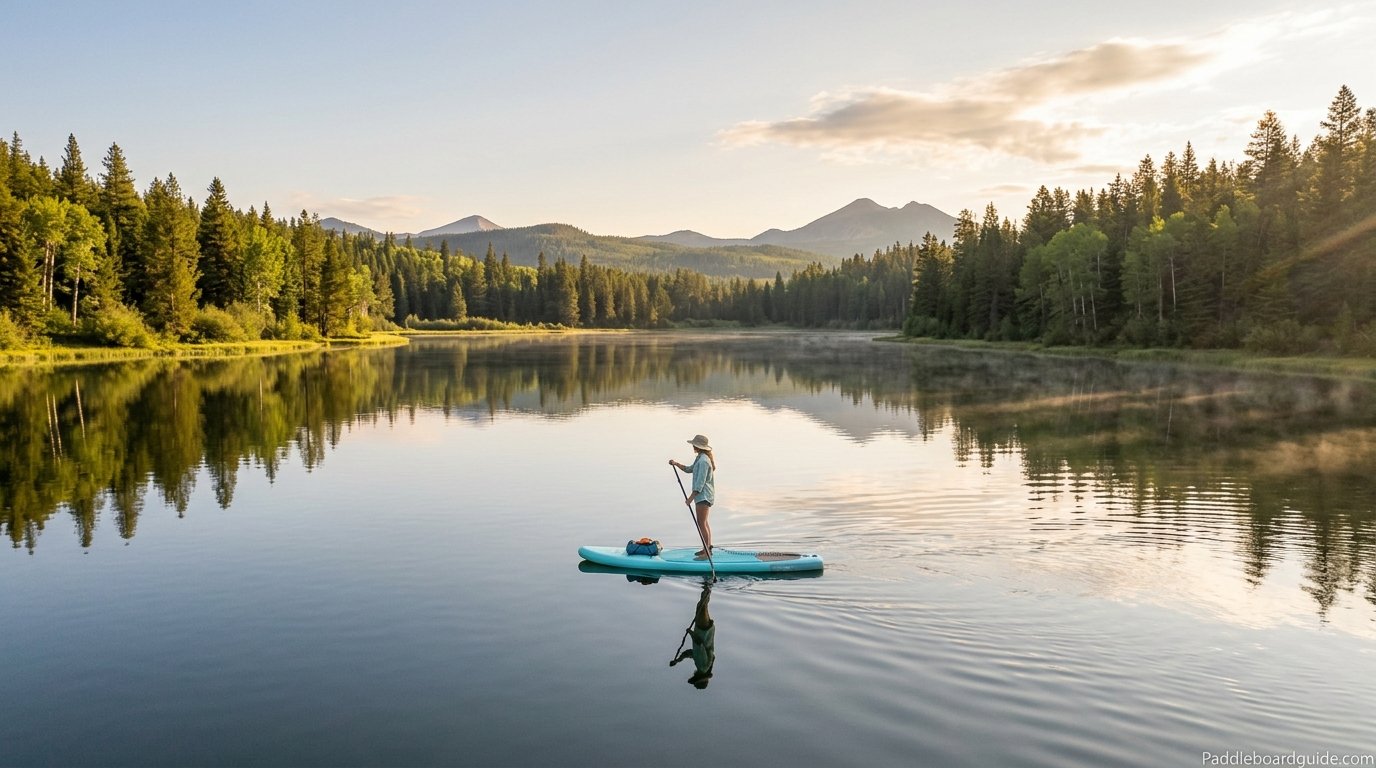
What Is the Best Time to Paddle Board?
For most paddlers, the best time to paddle board is early in the morning, shortly after sunrise. Wind is often lighter, boat traffic is lower, the water can be smoother, and temperatures are usually more comfortable before the strongest heat of the day arrives.
That answer is useful, but it is not universal. A sheltered lake may be pleasant all afternoon, while an exposed coastal launch may become uncomfortable before midday. Tidal rivers, mountain lakes, reservoirs, and busy beaches all behave differently. Your ideal paddling window depends on the type of water, your skill level, your goal, and the conditions on the day.
Before leaving, check the wind forecast, air temperature, water temperature, tides if relevant, storm risk, and local rules. If you are still building confidence, the best session is the one that gives you easy access to shore and plenty of time to turn around.

Shop inflatable paddle boards
1. Why Early Morning Is Often the Best Time
Early morning has earned its reputation as the best paddle boarding window for several practical reasons. Overnight cooling can reduce atmospheric movement, and many locations experience lighter wind before land and water temperatures begin creating stronger breezes. Less wind generally means flatter water, easier balance, and more efficient strokes.
Morning also tends to be quieter. There may be fewer personal watercraft, motorboats, swimmers, and shoreline visitors. That makes it easier to hear what is happening around you and to maintain a comfortable distance from other water users. On a scenic lake, the first hours of daylight can offer reflections, mist, and excellent opportunities for photography.
Advantages of a morning paddle
- Usually calmer water and reduced boat wake.
- Lower heat exposure, especially during warm weather.
- Better visibility before glare becomes intense.
- Fewer crowds at popular launches.
- More energy for a workout or longer route.
- More time remaining in the day if conditions change.
There are a few drawbacks. Morning air can be chilly, especially near open water, and fog may reduce visibility. Cold water can remain dangerous even when the air feels comfortable. Wear suitable layers, take a communication device, and avoid paddling alone in unfamiliar conditions.
If you want to paddle at sunrise, prepare the night before. Inflate or inspect your board, charge your phone, pack water, and check the launch location. Rushing in darkness creates unnecessary risks before you even get on the water.

Browse paddle board paddles
2. Is Afternoon a Good Time to Paddle Board?
Afternoon can be an excellent time to paddle board when the location is sheltered and the forecast remains favorable. The air is warmer, visibility is often clear, and the water may be more comfortable for swimming or casual recreation. Families and groups may prefer this window because it fits naturally around meals and other activities.
The main concern is wind. In many locations, wind builds during the day as the land warms. Even a modest increase can make a noticeable difference when you are standing on a board. You may face small waves on the way back, and paddling against a headwind can be exhausting. Always remember that the return journey may be harder than the outbound journey.
When afternoon works well
- The launch is on a protected lake, calm bay, or slow-moving waterway.
- The forecast predicts light and stable wind.
- You can stay close to shore.
- You have enough energy and hydration for heat exposure.
- Boat traffic is controlled or limited.
When to choose another time
Consider an earlier session if the wind forecast rises steadily, thunderstorms are possible, or the route crosses exposed water. Afternoon heat can also increase fatigue and dehydration. Use sun protection, drink regularly, and take breaks before you feel exhausted.

Shop paddle boarding safety gear
3. Evening and Sunset Paddle Boarding
Evening paddling can be peaceful and visually spectacular. As the day cools, wind may ease, crowds may thin, and the water can become pleasantly quiet. A short sunset trip is often ideal for relaxed sightseeing, conversation, and photography.
However, evening sessions require more planning than morning trips. Light fades quickly, navigation becomes harder, and a small delay can leave you returning in darkness. Check when sunset occurs, allow a generous margin, and stay close to a familiar launch area. Carry a waterproof light and make sure your board and personal flotation device remain visible.
Best practices for sunset sessions
- Choose a familiar, sheltered location.
- Tell someone where you are going and when you expect to return.
- Carry a phone in a waterproof case and a light source.
- Finish before visibility becomes poor unless you are properly equipped.
- Watch for cooling temperatures and changing wind.
Sunset is not automatically the safest time simply because the water looks calm. Light can hide waves, floating debris, and other users. If you are new to paddle boarding, enjoy evening conditions from a short route near shore rather than attempting a long crossing.

Find waterproof paddle gear
4. Weather and Wind: More Important Than the Clock
The best time to paddle board is ultimately the safest combination of weather, water, and personal readiness. A calm afternoon is better than a gusty morning, and a clear evening is better than a stormy sunrise. Learn to read the forecast as a set of trends rather than relying on one temperature number.
Wind direction
Wind blowing toward shore may make the launch feel easy but create a difficult return. Offshore wind can push you away from land, even when the water appears smooth. Side winds can gradually move you away from your intended route. Beginners should prefer a sheltered area and avoid conditions that make returning to the launch point uncertain.
Wind speed and gusts
Average wind speed does not tell the whole story. Gusts can affect balance suddenly, particularly on wide inflatable boards or when standing tall. Read both sustained wind and gust information. If gusts are much stronger than the average, choose a shorter route or postpone the session.
Storms and lightning
Do not paddle during thunderstorms or when lightning is approaching. Open water offers little protection. Weather can change quickly, so watch the sky, listen for thunder, and identify your exit points before launching. If you feel uncertain, stay on shore.
| Condition | What it may mean | Recommended response |
|---|---|---|
| Light, stable wind | Generally easier balance and tracking | Suitable for most recreational paddlers, subject to local conditions |
| Rising wind | Return trip may become harder | Shorten the route and stay near shore |
| Strong gusts | Sudden balance and control problems | Beginners should postpone |
| Thunderstorms nearby | Lightning and rapidly changing conditions | Do not launch; leave the water |

Shop waterproof phone pouches
5. Choosing the Best Season for Paddle Boarding
Seasonal comfort depends on air temperature, water temperature, daylight, wind patterns, and local access. Warm air does not always mean warm water. A fall or spring day may feel pleasant on land while the water remains cold enough to create serious risk after a fall.
| Seasonal period | Benefits | Things to consider |
|---|---|---|
| Cooler spring conditions | Fewer crowds and fresh scenery | Cold water, variable wind, chilly launches |
| Warm-weather period | Longer daylight and comfortable swimming | Heat, sun exposure, busy waterways, afternoon wind |
| Early autumn conditions | Often quieter and visually attractive | Shorter daylight and cooling water |
| Cold-weather period | Very quiet locations and unique landscapes | Specialist clothing, cold-water planning, limited access |
For many recreational paddlers, the most comfortable seasonal window is when air temperatures are mild and water temperatures are not dangerously cold. If you paddle outside that window, wear appropriate clothing rather than relying on a swimsuit. A wetsuit or drysuit may be appropriate depending on the water, air, wind, and likelihood of immersion.
Always research local regulations and access restrictions. Some waterways limit launches during certain conditions, and wildlife areas may have seasonal rules. Respect closures, nesting zones, and protected habitats.

Explore paddle clothing
6. How Water Type Changes the Best Time
The same hour can produce very different conditions depending on where you paddle. Water type should be part of your decision before the forecast.
Lakes and reservoirs
Lakes may be calm early and become choppier as wind increases. Large reservoirs can develop waves quickly because wind has a long distance over which to build momentum. Stay aware of open sections and avoid crossing them if conditions are deteriorating.
Rivers
Rivers are affected by current, water releases, rainfall, submerged hazards, and changing levels. The best time is not simply the calmest hour. Check local flow information and understand whether you can safely return upstream. Beginners should start on slow-moving, familiar sections.
Coastal water
Coastal paddling is shaped by wind, swell, tides, boat traffic, and surf. Early morning may offer smoother conditions, but tide timing can be more important than the clock. Launch only where conditions match your ability and follow local guidance.
Canals and sheltered waterways
Protected waterways can remain comfortable later in the day, although boat traffic and narrow passages may affect your timing. Choose quieter periods, stay visible, and follow navigation rules.
For more guidance on choosing equipment, explore this helpful overview of paddle board types and compare the differences between a SUP board and paddle board.

Compare touring boards
7. Tides, Currents, and Moving Water
If you paddle in tidal water, the best time may be determined by the movement of the water rather than sunrise or sunset. A favorable current can make a route easier, while an opposing current can turn a relaxed trip into a demanding workout.
Plan the route so you understand where the current will assist you and where it may resist you. Avoid relying on a favorable current for the entire trip; you must still have enough energy to return. Narrow channels, bridges, inlets, and river mouths can accelerate water and create hazards that are not obvious from shore.
Questions to answer before launch
- When does the current change direction?
- Will the tide expose rocks, mud, or shallow obstacles?
- Are there areas where water accelerates?
- What is the safest exit if you cannot return to the original launch?
- Are there restrictions on crossing shipping lanes or boating channels?
Beginners should practice on still or sheltered water before tackling tidal routes. A paddle board can drift farther than expected, especially in wind and current. A leash, personal flotation device, whistle, and communication plan are essential parts of a moving-water setup.
Review local paddle board safety requirements before visiting a new waterway. Rules vary by location, and some areas require specific equipment.

Shop paddle board leashes
8. The Best Time to Avoid Crowds and Boat Traffic
If peace and space are your priorities, paddle during quieter periods. Early morning on weekdays is often the least crowded option. Late afternoon may also become quieter after families and day visitors leave, although you must account for fading light.
Crowds are not only an inconvenience. Busy launches increase the chance of collisions, blocked access, loose equipment, and confusing right-of-way situations. Motorized traffic can create wakes that are difficult for new paddlers to manage. When a location is busy, stay at the edge of marked channels and give powered vessels plenty of room.
Ways to find a quieter window
- Visit on a weekday rather than a weekend.
- Arrive before popular rental locations open.
- Choose a less famous launch with legal public access.
- Avoid holiday periods and organized events.
- Ask local outfitters when the water is typically calmest.
Do not launch in an unfamiliar place simply because it looks empty. Confirm parking, access rights, emergency exits, and local hazards. A quiet location with no nearby help may be less suitable than a busier but well-managed launch.

Browse dry bags
9. Best Paddling Time by Activity
Your goal changes the ideal time. A fitness session, fishing trip, wildlife outing, and family paddle each benefit from different conditions.
| Activity | Often favorable timing | Why |
|---|---|---|
| Fitness training | Morning or a cool, stable period | Better energy and lower heat stress |
| Wildlife viewing | Early morning or quiet evening | Less noise and activity |
| Photography | Early or late daylight | Softer light and fewer reflections |
| Fishing | Species and location dependent | Fish behavior, tide, and wind all matter |
| Family recreation | Warm, calm daylight hours | Comfort, visibility, and easier supervision |
| Long-distance touring | Early start with stable forecast | More daylight and reserve time |
Fitness paddling
Morning is popular because it supports consistency and usually avoids the strongest heat. If you train later, reduce intensity during hot conditions and take more water than you expect to need.
Wildlife and photography
Quiet water is usually more valuable than speed. Paddle slowly, maintain distance, and avoid chasing animals. Check local rules around nesting and protected areas.
Fishing
Fishing times depend on species, light, water temperature, tide, and local knowledge. A stable forecast is more important than forcing a traditional early start.
For equipment inspiration, you can compare options in this guide to the best inflatable paddle boards.

Shop paddle board accessories
10. The Best Time for Beginners to Paddle Board
Beginners should prioritize calm, shallow, sheltered water during daylight. The specific hour matters less than having a generous margin for learning. Avoid strong wind, busy boating areas, fast currents, and unfamiliar open water until basic skills feel automatic.
A good first-session window
- Light wind with minimal gusting.
- Good visibility and no storm risk.
- Easy access to shore.
- Few boats and swimmers.
- A partner, instructor, or experienced paddler nearby.
- Enough time to practice without rushing.
Start on your knees if standing feels unstable. Practice turning, stopping, falling safely, and getting back onto the board before traveling far from shore. A short first session is a success if you finish feeling confident rather than exhausted.
New paddlers often underestimate how quickly wind can move a board. Keep the board pointed into the wind when necessary, use controlled strokes, and return before conditions become difficult. If you are unsure how to begin, review this guide on how to paddle board.

Find beginner-friendly boards
11. Safety Planning Before You Choose a Time
Timing is only one part of a safe paddle. Before every session, create a simple plan that accounts for the route, forecast, equipment, communication, and return time. A good plan should still work if you fall, lose an item, become tired, or face a modest change in wind.
Essential safety considerations
- Wear a properly fitted personal flotation device where required and whenever appropriate.
- Use a leash suited to the water environment and local guidance.
- Carry a whistle or other sound-producing device.
- Protect your phone in a waterproof case.
- Bring drinking water, sun protection, and suitable clothing.
- Tell someone your launch location, route, and expected return.
- Check the forecast immediately before launching.
- Know where you can exit if the route changes.
When you should postpone
Postpone when thunderstorms threaten, visibility is poor, wind is stronger than your ability, water is dangerously cold for your clothing, or you feel unwell. Do not let travel time, rental costs, or social pressure persuade you to launch into conditions you cannot manage.
Equipment quality also affects timing decisions. For independent reviews, see the iROCKER Nautical review, iROCKER paddle board review, BOTE inflatable paddle board review, and Retrospec Weekender review.
Shop paddle safety equipment
12. A Simple Best-Time Paddle Boarding Checklist
Use this checklist before deciding whether today is the right day and time to paddle. It takes only a few minutes and can prevent a poorly timed launch.
Before leaving home
- Check wind direction, sustained speed, and gusts.
- Check storms, visibility, temperature, and daylight.
- Review tides, currents, water releases, or local notices.
- Choose clothing for water temperature as well as air temperature.
- Inspect the board, fin, valve, leash, paddle, and flotation device.
- Pack water, sun protection, identification, and a waterproof phone.
At the launch
- Observe the water for several minutes before entering.
- Look for wind lines, waves, current, boat traffic, and hazards.
- Identify an easy exit point.
- Tell your paddling partner the route and turnaround point.
- Adjust the route if conditions are different from the forecast.
During the session
- Keep checking the sky and water rather than focusing only on distance.
- Turn around while you still have energy.
- Stay visible and respect marked channels.
- Drink before becoming thirsty.
- End the session early if wind, fatigue, cold, or visibility becomes concerning.
For additional equipment context, learn how long inflatable paddle boards last, discover how much weight a paddle board can hold, and understand whether paddle board paddles float. You can also explore how paddle boards are made before choosing your next setup.

Browse waterproof watches
Frequently Asked Questions
1. Is morning or afternoon better for paddle boarding?
Morning is often better because wind and boat traffic may be lower, but a calm afternoon can be equally suitable. Compare the actual forecast, water type, and your skill level rather than following the clock alone.
2. Is it safe to paddle board at sunrise?
It can be safe when visibility is good, the route is familiar, and the weather is stable. Use a light if needed, wear suitable clothing, carry communication equipment, and avoid launching into darkness or fog.
3. What wind speed is too strong for paddle boarding?
There is no universal limit because board design, route, experience, gusts, and water exposure all matter. Beginners should choose very light, stable conditions and avoid any forecast that makes the return uncertain.
4. Can I paddle board in the evening?
Yes, provided you plan for fading light, changing temperatures, navigation, and visibility. Stay near shore, carry a waterproof light, and return before conditions become difficult to see.
5. What is the best time to paddle board in hot weather?
Early morning or later evening is usually more comfortable. Avoid the strongest heat, wear sun protection, drink water, and remember that warm air does not guarantee safe water temperature.
6. Is paddle boarding better at high tide or low tide?
It depends on the location and your objective. Tide affects depth, current, access, exposed obstacles, and navigation. Check local tide information and understand how water moves through narrow channels.
7. What is the best time for beginners?
Choose daylight, calm weather, minimal boat traffic, sheltered water, and easy access to shore. A short session with an experienced partner is preferable to a long trip in challenging conditions.
8. Is it better to paddle board before or after rain?
Wait until storms have passed, visibility improves, and local water conditions are confirmed safe. Heavy rain can increase current, debris, runoff, and pollution risks, particularly on rivers and urban waterways.
9. Can I paddle board when the water is cold?
You can with suitable training, clothing, equipment, and a conservative route. Cold-water immersion can become dangerous quickly, so dress for a fall and avoid paddling alone.
10. How long should a paddle boarding session last?
Session length should match your fitness, route, weather, and experience. Beginners may start with a short outing and add time gradually. Always reserve energy for returning to the launch.
11. Why is the water sometimes calmer in the morning?
Many areas experience stronger daytime wind as land and water temperatures change. Local geography can alter this pattern, so verify conditions rather than assuming every morning will be calm.
12. What should I check before paddle boarding?
Check wind, gusts, storms, visibility, temperature, water conditions, tides or currents, access rules, equipment, and your return plan. If any part of the plan feels beyond your ability, postpone or choose a more sheltered route.
Conclusion: Choose the Safest Good Window
The best time to paddle board is usually early morning, but the best decision comes from combining timing with conditions. Look for light wind, good visibility, manageable water, comfortable temperatures, low traffic, and enough daylight to complete the route without rushing.
Beginners should choose sheltered water and a short daytime session. Experienced paddlers may enjoy sunrise, sunset, tidal routes, touring, or cooler seasonal conditions, but every outing still deserves a forecast check and a realistic return plan. When the wind rises, storms approach, visibility fades, or the water feels beyond your comfort level, waiting is the smart choice.
Prepare your equipment in advance, wear appropriate safety gear, tell someone your plan, and remember that a successful paddle is not measured by distance. It is measured by returning safely with enough energy to look forward to the next session.

Explore paddle boards
You May Also Like
Paddle Board Guide
Explore practical paddle boarding advice, equipment guidance, and water safety resources.
Best Paddle Board Paddles
Compare paddle features, materials, comfort, and performance for different paddling styles.
Paddle Board Resources
Find helpful information for choosing, using, maintaining, and transporting a paddle board.
Paddle Board Weight Capacity
Learn how rider weight, gear, board dimensions, and construction affect stability and performance.